Yiwu Market District 1 is the original section of the Yiwu International Trade Market and remains one of its busiest trading zones. It brings together artificial flowers, fashion jewelry, toys, party supplies, and small home décor across four floors and more than 10,000 booths.
For importers, wholesalers, and e-commerce sellers, District 1 is often the first stop in Yiwu. Many first-time buyers work with a trusted Yiwu sourcing agent here to handle supplier communication, price negotiation, and order coordination from day one.
Overview of Yiwu International Trade City
The Yiwu international trade market is one commercial complex, but it functions more like six connected marketplaces. Each district specializes in a different category, and together they house tens of thousands of registered suppliers pushing out new product runs year-round.
District 1 was the first to open, and everything else in the market was built around it. It still carries the heaviest concentration of decorative, seasonal, and fashion-driven goods anywhere on the site, which is exactly why so many buyers land here before they ever set foot in the other five districts.
Recommended Read: Yiwu Market Districts
What’s Sold in Yiwu Market District 1
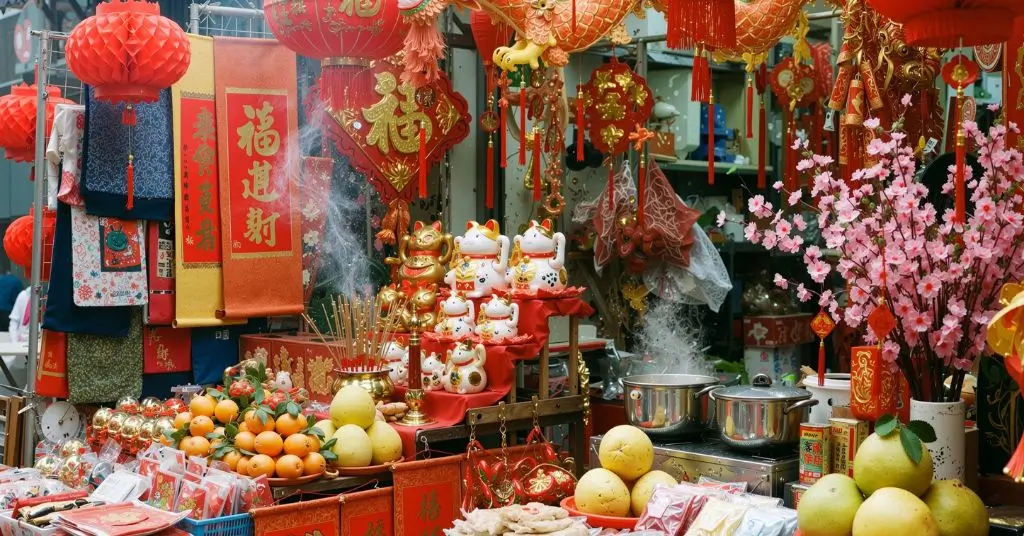
District 1 built its reputation on products that are cheap to source, light to ship, and quick to sell. Here’s the breakdown.
| Product Category | What You’ll Find | Common Buyer Use Cases |
|---|---|---|
| Artificial Flowers & Floral Accessories | Silk flowers, decorative plants, garlands, wreaths | Event décor, home décor, seasonal displays |
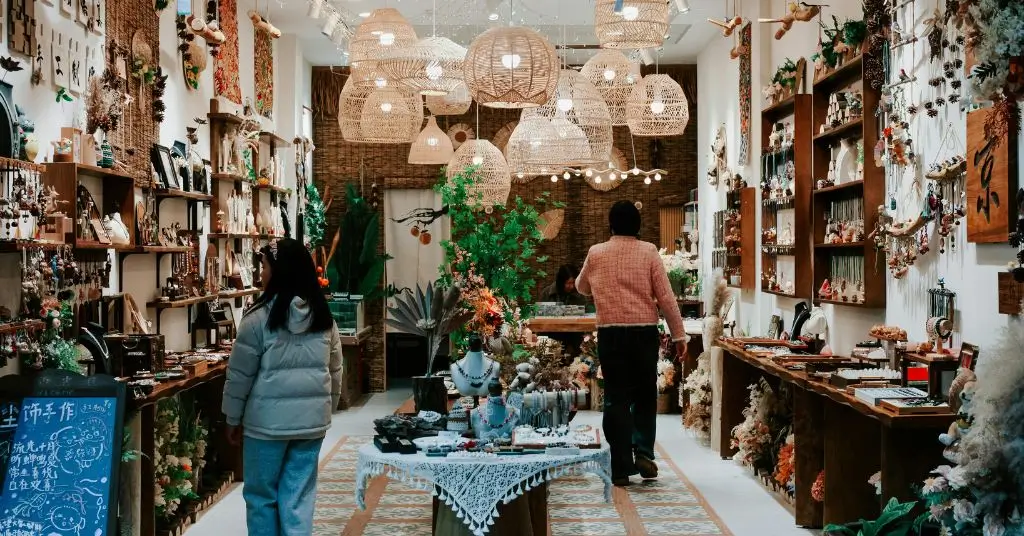
| Fashion Jewelry & Hair Accessories | Costume jewelry, hair clips, headbands, accessories | Fashion retail, online stores, private labels |
| Toys, Dolls & Party Supplies | Plush toys, dolls, balloons, party décor | Gift shops, party planners, e-commerce |
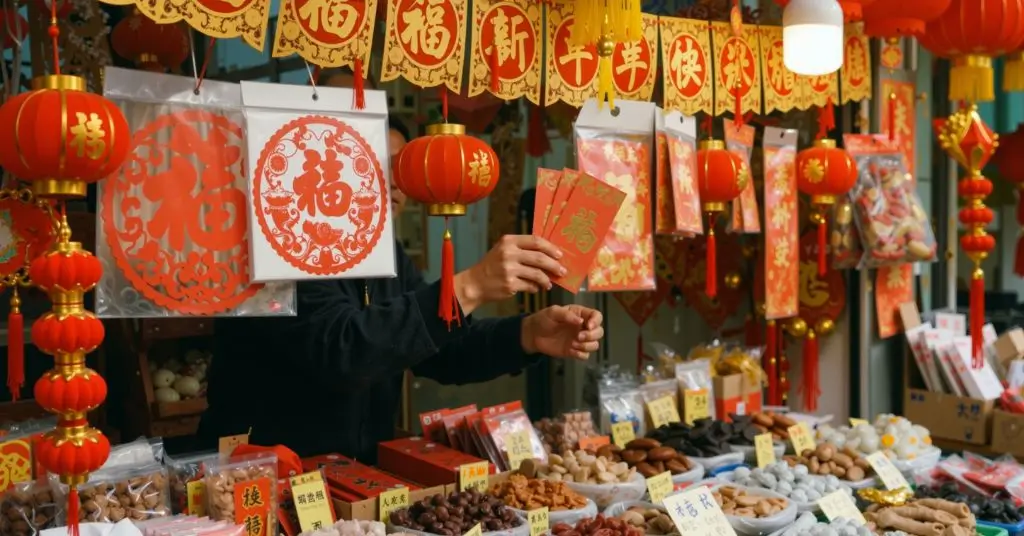
| Decorative & Seasonal Products | Holiday ornaments, themed decorations | Christmas, Halloween, Valentine’s sales |
| Crafts, Gifts & Small Home Décor | Souvenirs, handicrafts, compact décor items | Tourist shops, lifestyle brands |
None of this is an accident. Unit costs stay low even on small orders, the products barely weigh anything, and suppliers are used to buyers mixing flowers, jewelry, and party goods into one shipment instead of ordering a single item by the container. Designs also turn over constantly here. Come back three months later and half the booths will be showing something new.
Buyer Tip: Sourcing for a Q4 holiday campaign? Show up in late summer. Suppliers restock seasonal lines months ahead of Western retail calendars, and waiting until October means picking through what’s left.
Location and Layout of Yiwu Market District 1
District 1 sits along Chouzhou North Road in Yiwu City, Zhejiang Province. It’s a big building by any standard, 340,000 square meters holding more than 10,000 booths and upward of 10,500 suppliers.
Geographic Location Within Yiwu City
District 1 sits close to Yiwu’s main transport links. Yiwu Railway Station is approximately 10 kilometers away, around 20 minutes by taxi. Yiwu Airport is about 9 kilometers away, roughly 15 minutes by taxi. Both connections make it easy for international buyers to arrive and move directly into sourcing without delays.
Getting to Yiwu District 1
Taxis are the practical choice if you’re carrying samples, though don’t expect much English from the driver. DiDi, China’s version of a ride-hailing app, has an English interface and tends to be the easier option for first-timers booking a ride from their hotel. City buses connect the market to major hotels and the railway station too, and they’re cheap, but routes aren’t always clearly marked for foreign visitors and the ride takes longer.
Most hotels in Futian and Chengbei, the two neighborhoods closest to the trade market, put you within 10 to 15 minutes of District 1’s front door.
Floor Plan and Operating Hours in Yiwu District 1
The building runs four floors deep:
- Floor 1: Artificial flowers and toys
- Floor 2: Fashion jewelry and hair accessories
- Floor 3: Arts, crafts, and seasonal gifts
- Floor 4: Manufacturer outlet center for flowers and fashion jewelry
The market opens at 9:00 AM and closes at 5:30 PM most of the year, stretching to 6:00 PM in summer. Trading is heaviest Monday through Friday. You can visit on weekends, but some booths run shorter hours or skip the day altogether.
Yiwu District 1 Floor-by-Floor Breakdown
Each floor is organized by product type, which sounds obvious but makes a real difference once you’re standing in a building this size. Know where you’re headed before you go in, or you’ll spend half your day backtracking.
Floor 1: Artificial Flowers and Toys
This floor is packed with artificial flowers and decorative greenery, booth after booth of it, arranged tightly enough that comparing styles and prices takes minutes instead of hours. If you’re sourcing event décor or seasonal floral pieces, this is your floor.
Floor 2: Fashion Jewelry and Hair Accessories
Floor 2 moves fast. Costume jewelry, hair accessories, and party items dominate here, and trends shift quickly enough that what’s popular in spring may look dated by fall. Buyers chasing fast-moving consumer goods spend the bulk of their time on this floor for good reason.
Floor 3: Arts, Crafts, and Seasonal Gifts
Gift sets, handicrafts, and export-ready packaged items fill Floor 3. Suppliers here lean toward repeat business and export clients rather than one-off buyers, and pricing tends to soften once you’re placing larger or recurring orders.
Floor 4: Manufacturer Outlet Center
Floor 4 is where the factories sell directly instead of going through a trading company. That usually means better pricing, but also higher minimum order quantities and less room to negotiate on customization. It’s built for buyers who already know what they want and need it at scale.
Prices swing by category, but once you’re buying above the minimum order quantity, most items cost a fraction of what you’d pay sourcing the same goods in the West.
- Artificial flowers: roughly $0.10 to $1.50 per stem, depending on material and detail
- Fashion jewelry: roughly $0.30 to $3 per piece for costume jewelry, more for plated or semi-precious styles
- Toys and party supplies: roughly $0.20 to $5 per unit depending on size and complexity
- Seasonal décor: prices move with the calendar, and buying off-season almost always costs less
MOQs vary just as much as prices do. Factories on Floor 4 often want 500 to 1,000-plus units per design before they’ll even quote you. Trading companies on Floors 1 through 3 tend to be far more flexible, sometimes accepting mixed orders starting around 50 to 100 pieces spread across several designs.
Recommended Read:Yiwu MOQ by product category
How to Negotiate Prices in District 1
Negotiation is expected here, not awkward or rude. A few things that actually move the needle:
- Ask for pricing at your target volume, not the number posted on the wall. Most suppliers quote lower per unit as quantity climbs.
- Get quotes from at least three booths carrying similar products before you commit to anyone.
- Mention if you’re placing a mixed order or planning to reorder. Suppliers often loosen up on price for buyers who look like repeat business.
- Confirm whether the quote includes packaging. Some suppliers quote a bare unit price and tack on packaging separately, which catches first-timers off guard.
If all of this sounds like more back-and-forth than you want to handle solo, that’s exactly why so many buyers bring in a trusted Yiwu sourcing agent who already knows which suppliers negotiate and which ones don’t budge.
Recommended Read: How to negotiate in yiwu market
How Booth Numbers and Shop Codes Work in Yiwu District 1
Every booth in District 1 carries a standardized code marking the district, floor, and shop number, something like 1-2-3456, which reads as District 1, Floor 2, Shop 3456.
Write these down. Suppliers shift booths between market seasons more often than you’d expect, and a saved code is the fastest way to confirm you’re reordering from the same seller rather than the stall next door selling something similar at a different price and a different quality level.
Types of Suppliers You Will Meet
District 1 runs on two main supplier types, and knowing the difference before you start talking price saves a lot of confusion.
- Manufacturers produce goods directly on-site or at a nearby factory. They control the whole production process, which usually means better pricing at volume, but less patience for small or highly customized orders.
- Trading companies represent multiple factories under one booth. They can’t always match a factory’s unit price, but they make up for it with variety, lower MOQs, and faster turnaround on quotes and samples.
Both operate legally within the market, and neither is the “better” choice on its own. The right one depends on what you’re ordering and how much of it.
| Supplier Type | Key Characteristics | Typical MOQ | Best For |
|---|---|---|---|
| Factories | Lower prices, less flexibility, strong on customization | 500 to 1,000+ units per design | Large or repeat orders, private label runs |
| Trading Companies | More product variety, faster communication | 50 to 100 units, mixed designs allowed | Small orders, product testing, first-time buyers |
A quick way to tell them apart on the floor: factories tend to display a narrower product range with deeper stock behind the counter, while trading company booths show a wider mix of styles pulled from several different makers.
How to Identify Reliable Sellers
Not every booth is equally worth your time, and the good ones tend to give themselves away fairly quickly if you know what to look for.
- Clear pricing and MOQ details. Reliable suppliers give you a straight number instead of stalling or quoting a range so wide it’s meaningless.
- Samples without pushback. A supplier confident in their product hands over a sample without treating it like a favor.
- Consistent communication. They answer follow-up messages within a day or two, not a week, and the answers match what they told you in person.
- Stable booth history. Suppliers who’ve held the same booth for several seasons are generally lower risk than ones who seem to move or disappear often.
- Willingness to put terms in writing. Reliable sellers don’t flinch when you ask for a written quotation or invoice, since it’s standard practice for them too.
One extra sign worth checking: ask how long they’ve been at that specific booth number. A supplier who’s been in the same spot for two or three years has a track record you can actually verify, which matters more than anything they tell you in the first five minutes.
Buyers often work with a trusted Yiwu sourcing agent to pre-screen suppliers against these signals before committing to an order, which cuts down on the guesswork considerably when you’re only in the market for a few days.
Recommended Read: How to find reliable suppliers in china
Market Rules Buyers Should Know
Yiwu Market District 1 operates under structured rules to ensure order, fair trade, and buyer protection within the Yiwu International Trade Market. All transactions are expected to follow formal business practices. Large orders require invoices, written quotations, and documented payment terms. Direct cash deals for bulk orders are uncommon and discouraged.
Intellectual Property and Copy Product Risks
Yiwu’s speed and variety come with a real IP risk that buyers need to take seriously before placing a mass order.
- Some designs may resemble branded items. Because product turnover is so fast, it’s not always obvious at a glance whether a design crosses into IP infringement.
- Buyers are responsible for IP compliance. Customs authorities in your home country hold the importer accountable, not the Yiwu supplier, so ignorance isn’t a defense at the border.
- Confirm originality before mass orders. A quick reverse image search or a check with your sourcing agent before committing to volume can save you a shipment stuck in customs.
Return, Refund, and Dispute Practices
Yiwu doesn’t operate like a market with formal buyer protection built in, so understanding how disputes actually get resolved matters more here than it would elsewhere.
- Returns are rare after production starts. Most items are made to order in small batches, so there’s rarely a standard product to send back once work has begun.
- Most disputes are settled by negotiation. Rather than a formal claims process, disagreements over quality or delivery typically get worked out directly between buyer and supplier, or through a sourcing agent acting as mediator.
- Written agreements reduce risk. The more detail you lock in upfront (price, quantity, specs, delivery date), the less room there is for disagreement once the order is underway.
Photography and Recording Guidelines
Camera etiquette isn’t written down anywhere in the market, but suppliers notice and remember who follows it.
- Product photos are usually allowed. Most suppliers expect it since buyers use photos to compare options after leaving the booth.
- Document and booth photos require caution. Photographing paperwork, price lists, or the wider booth setup can come across as prying, especially with unreleased designs on display.
- Recording without permission is discouraged. Video recording a supplier or other buyers without asking first is one of the fastest ways to sour a relationship on the floor.
What Sets Yiwu Market District 1 Apart from the Rest
Yiwu International Trade City has five major districts, each built around a specific trade category. While every district serves a purpose, District 1 occupies a unique position; it was the first, it is the most established, and it remains the go-to destination for buyers sourcing decorative, seasonal, and gift-driven products.
| District | Main Focus | Who It Serves |
| District 1 | Artificial flowers, jewelry, toys, and seasonal décor | Gift, novelty, and décor buyers |
| District 2 | Hardware, umbrellas, and household goods | Hardware and utility buyers |
| District 3 | Stationery, office products, bags, and sports goods | School, office, and institutional buyers |
| District 4 | Home textiles, socks, and daily necessities | Household and apparel buyers |
| District 5 | Imported goods and home textiles | Lifestyle and bedding buyers |
| District 6 | Clothing, footwear, and fashion accessories | Fashion and apparel buyers |
What makes District 1 different is not just what it sells; it is how it is built for buyers. The layout is compact, the product categories are interconnected, and suppliers are experienced in working with international clients. A buyer sourcing artificial flowers on Floor 1 can move to jewelry on Floor 2 and seasonal gifts on Floor 3 within the same visit. No other district offers that kind of cross-category efficiency in one building.
Why District 1 Matters for Global Buyers
District 1 holds particular importance for international buyers because it focuses on products with high global turnover. It concentrates fast-moving consumer goods from decorative items to fashion jewelry to seasonal products into one structured and accessible trading zone.
Key reasons global buyers source from District 1:
- Affordable product pricing with competitive wholesale rates across all categories
- High supplier density allowing quick price and quality comparison within the same aisle
- Constant design updates aligned to global seasonal and holiday demand
- Export-ready suppliers experienced in international shipment and documentation
- Suitable for small, mixed, and bulk orders across multiple product categories
For importers and e-commerce sellers, District 1 offers direct access to fast-moving consumer goods, with many first-time buyers relying on a trusted Yiwu sourcing agent for supplier communication and order coordination.
Final Takeaways for First-Time Visitors
First-time visitors should arrive with clear sourcing goals, target prices, and a defined product list. Preparation reduces confusion and speeds up decision-making in a fast-moving market environment. When buying, comparing multiple suppliers is essential. Booth numbers, pricing, and terms must be recorded accurately, and all agreements should be confirmed in writing rather than verbally.
To get the best results, buyers should focus on specific categories instead of covering the entire market at once. A disciplined approach, followed by structured follow-up, leads to more reliable sourcing outcomes.
That is why you should contact kingsler as your trusted Yiwu sourcing agent, who will help you get the best deal for your business.
FAQs on Yiwu Market District 1
What is Yiwu Market District 1 known for?
Yiwu Market District 1 is known for artificial flowers, fashion jewelry, hair accessories, toys, gifts, and seasonal decorative products. It is popular for sourcing lightweight, fast-moving goods.
Where is Yiwu Market District 1 located?
Yiwu Market District 1 is located in Yiwu City, Zhejiang Province, China, within the Yiwu International Trade Market complex and close to major hotels and logistics centers.
Is Yiwu Market District 1 good for small orders?
Yes, many suppliers in Yiwu Market District 1 accept small or mixed orders, especially for fashion accessories, gifts, and decorative items.
What products are sold in Yiwu Market District 1?
Products include artificial flowers, fashion jewelry, hair accessories, toys, party supplies, seasonal decorations, crafts, and small home décor items.
How many floors does Yiwu Market District 1 have?
Yiwu Market District 1 typically has three main floors, each organized by product type to help buyers source efficiently.
Can beginners buy directly from Yiwu Market District 1?
Beginners can buy directly, but many first-time buyers choose to work with a trusted Yiwu sourcing agent to avoid mistakes and simplify communication.
What is the best time to visit Yiwu Market District 1?
The best time to visit Yiwu Market District 1 is from March to May and September to November, when product variety and supplier availability are highest.