
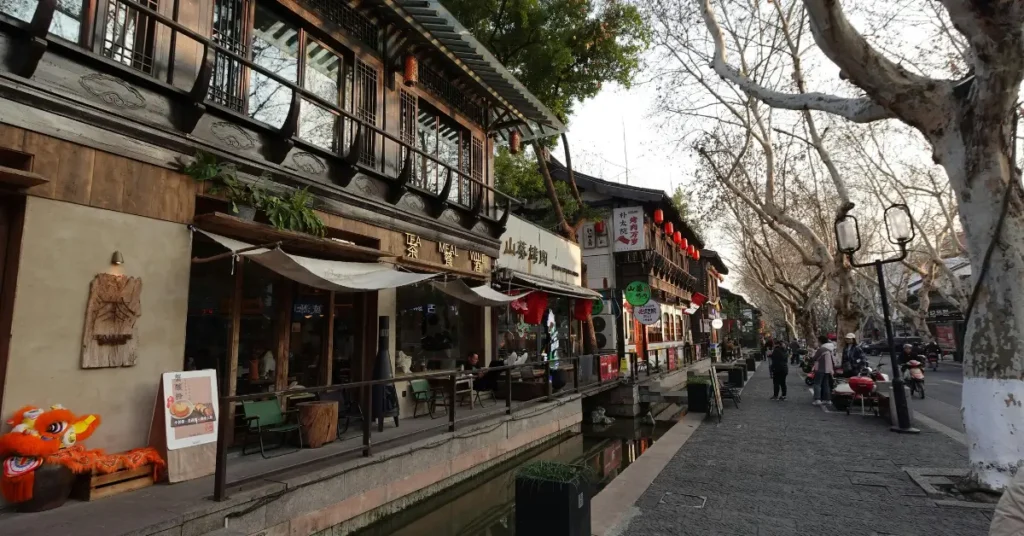
Yiwu is a city in Zhejiang Province, eastern China, roughly 300 km south of Shanghai and about 100 km from the provincial capital, Hangzhou. It’s home to the Yiwu International Trade Market, widely recognized as the largest small commodities wholesale market on earth, spanning multiple districts and tens of thousands of supplier booths under one trading network.
Every year, the market moves billions of dollars in goods to buyers in over 200 countries, making it one of the most important sourcing hubs in global trade. If you sell online, import products, or run a sourcing business, Zhejiang Yiwu China is probably a name you’ve already heard. This guide covers exactly where it is, why it matters, what it costs to get there, and how to actually buy from it.
Where Is Yiwu Located in China?
Yiwu is a county-level city administered under Jinhua, in central Zhejiang Province, on China’s eastern coast. It sits in the Yangtze River Delta, one of the most industrially dense regions in the country, which puts it within easy reach of major ports, airports, and rail lines.
On a map, Yiwu falls roughly 100 km south of Hangzhou (Zhejiang’s provincial capital) and about 300 km south of Shanghai. It is not near Guangzhou; Guangzhou sits over 1,000 km away in southern China’s Guangdong province, and the two cities serve different sourcing purposes (more on that comparison below).
Quick location facts:
- Province: Zhejiang
- Prefecture-level city: Jinhua
- Time zone: China Standard Time (UTC+8)
- Nearest major seaport: Ningbo Port
Why Is Yiwu Zhejiang Famous?
Yiwu’s global reputation rests almost entirely on one thing: the Yiwu International Trade Market, also known as China Commodity City. It’s widely recognized as the world’s largest wholesale market for small commodities, a title backed by real scale rather than marketing spin.
Yiwu International Trade Market
Yiwu International Trade Market is organized into distinct districts, each dedicated to a different product category, jewelry and accessories in one, hardware and tools in another, toys and stationery in a third, and so on. Across all districts combined, the market holds well over 75,000 booths spread across more than 6 million square meters of retail and showroom space.
Moving through the full market takes real planning. Most first-time buyers work with a market guide or local sourcing agent so they only walk the districts relevant to their product, rather than trying to cover all of it in one trip.
Global Sourcing Center
Yiwu isn’t just a regional market; it’s a genuine global sourcing hub. Buyers travel here from over 200 countries to source small commodities, seasonal goods, and novelty items, backed by low order minimums and infrastructure most Chinese wholesale markets simply don’t offer.
A large share of the world’s Christmas decorations and holiday goods originate from Yiwu factories and traders. That global draw is reinforced by real infrastructure, customs offices, freight forwarders, and export agents built specifically for international buyers, which is a big part of why the city attracts such strong buyer bases from the Middle East, Africa, Southeast Asia, and Latin America.
Yiwu’s History and Growth
Yiwu’s trading roots go back further than most people expect. Merchants in the region were bartering goods as far back as the Tang and Song dynasties, long before the city had any global reputation.
The real turning point came in 1982, when local authorities formally established the small commodities market. That single decision set off four decades of steady, compounding growth, turning a regional trading post into the backbone of small-goods exports for the entire world.
Yiwu Zhejiang Import Export Data
Yiwu’s trade numbers are what convince most skeptical importers this isn’t just a large flea market; it’s a serious node in global trade.
- Annual foreign trade volume: over $40 billion USD
- Exported SKUs: more than 2 million small commodities
- Containers shipped daily: around 3,000 during peak season
- Top trading partners: UAE, India, Brazil, Nigeria, Saudi Arabia
- Christmas goods: an estimated 70% of the world’s Christmas supplies are sourced from Yiwu
Beyond raw volume, Yiwu also runs a large parallel e-commerce layer, with tens of thousands of suppliers selling simultaneously online and offline through platforms like 1688 and Alibaba. That dual-channel setup is a big reason supply stays deep even outside major trade fair season.
How to Get to Yiwu Zhejiang?
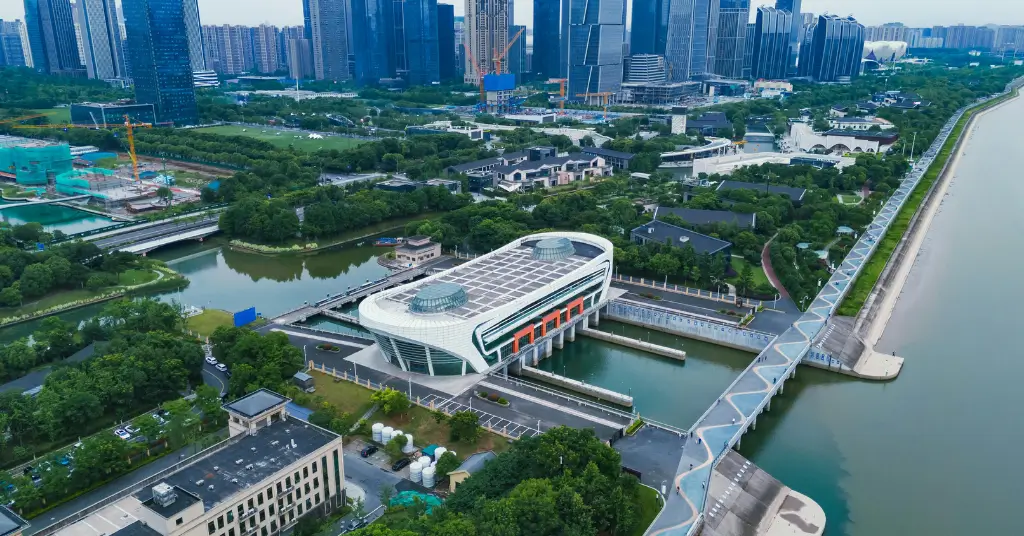
Yiwu is well connected for a city its size, and most international buyers reach it through a mix of air travel and China’s high-speed rail network rather than direct flights alone. Timing your trip well also matters, since the best months to visit can make the difference between a smooth sourcing trip and a crowded one.
Flying Into Yiwu
Yiwu Airport (IATA code: YIW) handles domestic routes to major hubs, including Beijing, Guangzhou, Shenzhen, and Chengdu, with seasonal international charter flights running at certain times of year. For most overseas visitors, flying into a bigger international gateway first and connecting onward is the more reliable option.
Getting There by High-Speed Train
This is genuinely the route most sourcing agents recommend, and for good reason: it’s fast, frequent, and far less prone to delays than flights. Yiwu Railway Station sits directly on China’s high-speed rail grid, with journey times that make day trips from nearby cities entirely realistic.
- Hangzhou to Yiwu: about 1 hour
- Shanghai to Yiwu: about 2.5 hours
- Beijing to Yiwu: about 6.5 hours
- Guangzhou to Yiwu: about 7 hours
Flying into Shanghai Pudong or Hangzhou Xiaoshan and finishing the trip by train is, in practice, the least stressful way in for first-time visitors, and once you land, finding a hotel near the trade market makes the rest of the trip far easier to manage.
Driving and Bus Routes
Yiwu connects to national expressways, including the G60 and G25, and long-distance buses run regularly from surrounding cities. This route matters less for passenger travel; most visitors prefer rail, and more for freight, since many logistics companies operating in Yiwu offer door-to-door cargo pickup by road.
Inside Yiwu’s Market Size and Layout
Numbers alone don’t fully capture what Yiwu’s market feels like on the ground, but they do explain why buyers keep coming back.
Yiwu Market Overview
The market spans multiple purpose-built districts, each dedicated to a specific product category:
- District 1: artificial flowers, jewelry, toys
- District 2: tools, hardware, accessories
- District 3: office supplies, cosmetics, sporting goods
- District 4: household products, socks, shoes
- District 5: imported goods, textiles, car parts
- District 6: creative goods, fashion jewelry, cosmetics, daily necessities
The average booth runs around 4 square meters, though many suppliers operate multiple booths across different districts to cover more product categories, and minimum order requirements (MOQ) can vary quite a bit depending on what you’re buying.
Beyond the Market Floor: Yiwu’s Industrial Zones
Yiwu’s trade footprint doesn’t stop at the market walls. Surrounding industrial clusters and light manufacturing zones produce textiles, fashion accessories, and plastic goods at scale. Some buyers skip the market entirely for certain orders and visit these factories directly, usually arranged through a local sourcing agent who already has the relationships in place.
Buying In Person, Reordering Online
Yiwu has quietly become a hybrid sourcing city rather than a purely offline one. Many suppliers list the same products on 1688.com, Alibaba, or Pinduoduo, and it’s common to scan a QR code at a booth to place future orders online without needing to return in person. For buyers who visit once and reorder remotely, this hybrid model is often the real long-term value of the trip.
Shipping and Logistics from Yiwu
Once goods are purchased, buyers generally have three realistic ways to move them out of Yiwu, and the right choice usually comes down to budget and how urgently the order needs to land.
Shipping by Sea
For larger orders, freight typically moves by truck from Yiwu to a nearby container port, most commonly Ningbo or Shanghai, before heading out by sea. It’s the slowest option by a wide margin, but for full or partial container loads, it’s also the cheapest way to ship by far, which is why it remains the default for most bulk buyers.
Rail Freight Into Europe
Buyers shipping to the EU increasingly use the China-Europe Railway Express, a direct rail link out of Yiwu that reaches cities like Warsaw, Hamburg, and Madrid in a fraction of the time sea freight takes. It costs more than shipping by sea but far less than flying, making it a practical option for mid-sized orders headed to European buyers.
Air and Express Courier
When an order can’t wait, express couriers operating out of Yiwu, including DHL, FedEx, and SF Express, can get shipments to most international destinations within about a week. It’s the most expensive of the three routes, but for samples or time-critical orders, speed usually outweighs cost.
Not sure which shipping option fits your order? Kingsler handles freight and logistics coordination directly, so you don’t have to manage it alone.
Who Should Visit Yiwu Zhejiang and Why?
Yiwu draws a wider mix of buyers than most people expect, each group there for a slightly different reason.
Bulk Importers and Wholesalers
Buyers importing at scale or building private-label product lines come to Yiwu for the combination of low order minimums and fast customization, options that are hard to find together anywhere else in China at this scale.
Amazon and Shopify Sellers
Yiwu has become a go-to sourcing stop for FBA and online sellers specifically because it fits how they operate:
- Fast access to trending, lightweight products
- Affordable private-label packaging
- Cheap sampling with short lead times
- Sourcing agents already familiar with FBA prep and labeling
- Logistics routes that connect smoothly into Amazon warehouses
Recommended Read: How to ship to amazon FBA from china
Sourcing Agents and Trade Companies
A large share of Yiwu’s foreign-facing business runs through local sourcing agents, who typically handle translation, supplier negotiation, factory audits, quality control, and freight documentation on the buyer’s behalf.
First-Time Visitors
Yiwu is genuinely easier for a first trip than most Chinese wholesale hubs. Many traders speak functional English, signage is often multilingual, and once you understand the district layout, the market is far more navigable than scattered factory sourcing elsewhere in the country.
Recommended Read: China Golden Week 2026 | 140th Canton Fair 2026
Final Thoughts
Zhejiang Yiwu China isn’t just a wholesale market; it’s a purpose-built trade ecosystem that’s had over 40 years to refine how it serves foreign buyers, from low MOQs to multilingual staff to direct rail links into Europe. Whether you’re sourcing your first sample order or scaling an existing supply chain, understanding Yiwu’s location, market structure, and logistics options is the difference between an efficient sourcing trip and a wasted one.
If you’re planning a visit or your first order, working with a local sourcing agent is generally the fastest way to avoid the common first-timer mistakes: language barriers, unfamiliar negotiation norms, and QC gaps being the three most common.
Ready to start sourcing from Yiwu? Get in touch with our team and we’ll set up a sourcing plan built around your product, budget, and timeline.
Related Articles
140th Canton Fair 2026 / Canton Fair 2026 Phase 1 / Canton Fair Phase 2 / Canton Fair Phase 3 / Shanghai City China / Yiwu Market vs Canton Fair / Canton Fair Mistakes / Yiwu Market Trends / China Golden Week 2026
Frequently Asked Questions
Is Yiwu worth visiting?
Yes, if you’re sourcing products commercially. For pure tourism, Yiwu has limited standalone appeal, its value is almost entirely tied to the trade market and surrounding sourcing ecosystem.
What can you buy in Yiwu market?
Nearly any small commodity: jewelry, toys, artificial flowers, stationery, hardware, home textiles, kitchenware, lighting, bags, beauty products, and seasonal or holiday goods, among thousands of other categories.
How many days do you need in Yiwu?
Most first-time buyers budget 3 to 5 days: enough time to walk the relevant market districts, meet with a handful of suppliers, and handle sampling or initial negotiations.
What is the best time to visit Yiwu market?
Spring (March to May) and autumn (September to November) tend to be the most active trading seasons, avoiding both Chinese New Year closures and the peak summer heat.
Are there good hotels near the Yiwu trade market?
Yes, the area around the International Trade City has a dense cluster of business hotels ranging from budget to international chain options, most within a short walk or taxi ride of the main market districts.
What are the Yiwu market opening hours in 2026?
The market generally operates six days a week, with reduced or closed hours around major Chinese holidays. Always confirm current hours before planning a trip, since they can shift seasonally.
Do foreign buyers need a visa to visit Yiwu?
Yes, most foreign visitors need a Chinese visa to enter, though some nationalities may qualify for visa-free transit programs depending on current policy. Check requirements with the nearest Chinese consulate before booking travel, since visa rules change periodically.